
Why Is WhatsApp’s Response to the Government Due Today?
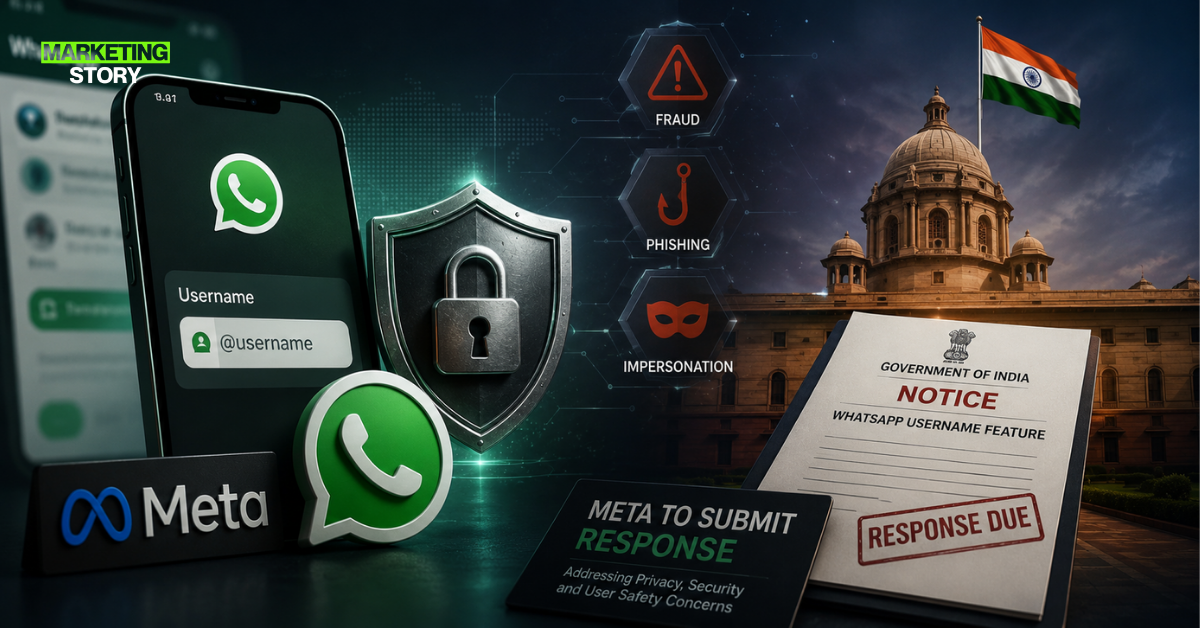
Meta owned WhatsApp is expected to submit its response to the Indian government’s notice regarding its proposed ‘username’ feature, with IT Secretary S. Krishnan confirming that the company’s reply is due today.
Speaking on the sidelines of the CII GCC Business Summit, Krishnan said, “Today is the day when the reply is due,” referring to the deadline given to WhatsApp after it sought additional time to respond to the government’s concerns.
The response will be closely watched as the Centre continues to examine the security implications of the feature before allowing its rollout in India.
Why Has the Government Raised Concerns Over WhatsApp’s Username Feature?
Last week, the Ministry of Electronics and Information Technology (MeitY) issued a notice to Meta, expressing concerns that WhatsApp’s proposed username feature could significantly increase online fraud, phishing attacks, digital arrest scams, and identity impersonation.
The government believes that allowing users to communicate through usernames instead of phone numbers could make it easier for fraudsters to hide their identities and target unsuspecting users.
As a result, the Centre directed WhatsApp not to launch the feature in India until consultations are completed and the government’s concerns are adequately addressed.
What Is WhatsApp’s Username Feature?
The proposed username feature will allow WhatsApp users to communicate without sharing their mobile phone numbers.
Instead of initiating conversations using a phone number, users will be able to connect through unique usernames, similar to features already available on messaging platforms such as Telegram and Signal.
While the feature is designed to improve user privacy, regulators are evaluating whether it could also create new opportunities for cybercriminals to impersonate individuals and conduct scams.
What Has WhatsApp Told the Government?
Following the government’s notice, Meta requested additional time to prepare its response and assured authorities that the feature would not be launched in India until discussions with the government are complete.
Last week, a delegation from Meta also met officials from the IT Ministry to discuss the proposed feature and the concerns raised by the government.
The outcome of these discussions is expected to influence when and how the feature is introduced in the Indian market.
How Is WhatsApp Addressing Fraud and Impersonation Risks?
WhatsApp has stated that multiple security safeguards have been built into the username system to reduce misuse.
According to the company, high-profile usernames belonging to public figures, government organizations, celebrities, and verified Meta accounts have already been reserved to prevent impersonation.
The platform also said it will block lookalike usernames that closely resemble well-known accounts, reducing opportunities for identity fraud.
In addition, users will still need a mobile phone number to create and use a WhatsApp account, even after usernames become available.
What Security Features Will WhatsApp Introduce?
WhatsApp says it has designed several protective measures to minimize abuse once the feature is launched.
The platform plans to:
- Limit how many new users an account can contact.
- Restrict repeated attempts to guess usernames.
- Use AI-driven systems to detect impersonation and suspicious behaviour.
- Remove accounts involved in fraudulent activity.
- Show additional context when receiving messages from unknown users.
When someone messages a user for the first time through a username, WhatsApp will display whether the sender is:
- A new account
- An existing contact
- A member of a mutual group
- Located in another country
These details are intended to help users make informed decisions before responding to unknown messages.
Why Has the Government Also Sent Notices to Telegram and Signal?
Following its notice to WhatsApp, the IT Ministry also issued similar notices to Telegram and Signal, both of which already support username based messaging.
The government has asked both platforms to explain how they address fraud, impersonation, and cybersecurity risks associated with usernames.
According to IT Secretary S. Krishnan, responses from Telegram and Signal are still awaited, and the government will review all submissions before taking further action.
What Other Regulatory Challenges Are Meta and Telegram Facing?
The username feature is not the only issue currently under government scrutiny.
Recently, the Centre issued a notice to Meta over the appearance of child sexual abuse material (CSAM) in Instagram advertisements, seeking an explanation from the company.
Meanwhile, Telegram received a separate notice directing it to take stronger action against the widespread sharing of pirated movies, OTT content, and other copyrighted material on its platform.
These developments reflect increasing regulatory oversight of major digital platforms operating in India.
What Happens Next for WhatsApp’s Username Feature?
The future rollout of WhatsApp’s username feature in India now depends on the government’s review of Meta’s response.
Authorities will assess whether the platform’s proposed safeguards are sufficient to address concerns related to cyber fraud, impersonation, phishing, and digital scams before granting approval.
Until those consultations are completed to the government’s satisfaction, WhatsApp has confirmed that the username feature will not be launched in India.