Why Has Klydo Paused Its Consumer Business?
Quick fashion delivery startup Klydo has paused its consumer-facing operations less than a year after launch, marking another setback for India’s emerging rapid fashion delivery segment. The company has stopped accepting new orders and announced that it is pivoting to a new product direction, citing key learnings from its initial business model.
A notice on Klydo’s website states that while the app will remain accessible for a few days for order history, customer support, and related services, its existing consumer offering has been suspended. The company described the move as the beginning of a new chapter built around “a sharper product vision,” signalling that it is rethinking its long term strategy rather than shutting down entirely.
How Did Klydo Build Its Business?
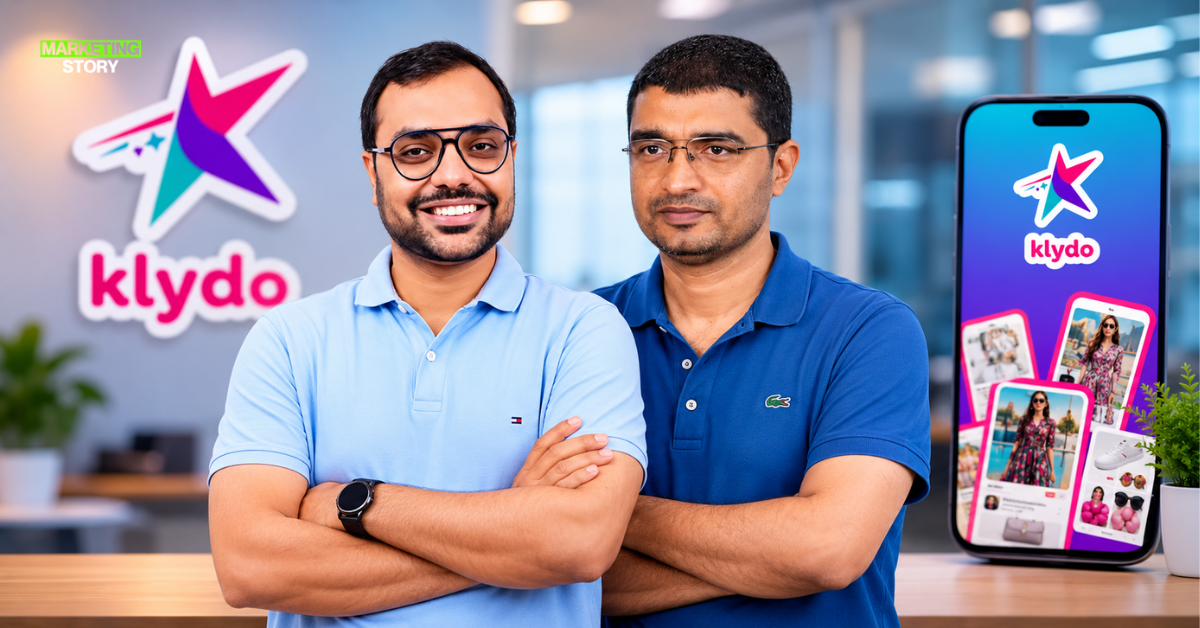
Founded in September 2025 by former Udaan executives Pradeep Yadav and Ankit Agarwal, Klydo initially launched as a fashion marketplace focused on Gen Z consumers before evolving into a quick commerce platform for fashion.
Operating in Bengaluru, the startup promised deliveries of apparel, footwear, accessories, home décor, and gifting products within 15 to 30 minutes, aiming to replicate the success of quick commerce in the grocery segment for fashion products.
To support its expansion, Klydo raised around $2 million in seed funding from K2 Capital Management and Veltis Capital. The company also reportedly explored raising a larger funding round of $11–12 million earlier this year, although those fundraising efforts did not materialise.
Why Is Quick Fashion Delivery Facing Challenges?
Klydo’s decision highlights the operational and financial challenges associated with building a quick fashion delivery business. Unlike groceries or daily essentials, fashion purchases are generally less urgent, making it more difficult to justify the higher logistics costs associated with ultra fast deliveries.
The startup becomes the second rapid fashion delivery platform to exit the category within a year after Blip ceased operations in July 2025. The developments suggest that while consumer interest in faster deliveries exists, achieving sustainable unit economics in fashion remains significantly more challenging than in grocery-led quick commerce.
Building inventory, managing product variety, maintaining delivery speed, and handling returns add further complexity to the business model.
What Is Happening in India’s Fashion Startup Ecosystem?
Klydo’s pivot comes amid a broader period of consolidation within India’s fashion startup ecosystem. Earlier, fashion startup Virgio, led by former Myntra CEO Amar Nagaram, and B2B fashion platform Fashinza reportedly returned capital to investors after strategic pivots failed to deliver the expected results.
Despite these setbacks, investor interest in the category has not disappeared. Startups including Slikk, Zilo, and Knot have continued to raise fresh funding to expand their operations, while established players are strengthening their own quick delivery capabilities.
Meanwhile, Myntra has expanded Myntra Now, its 30-minute fashion delivery service, across multiple cities, reflecting continued confidence among larger players with established supply chains and customer bases.
What Does This Mean for India’s Quick Commerce Market?
Klydo’s pivot underscores the evolving nature of India’s quick commerce ecosystem, where companies are increasingly prioritising sustainable business models over rapid expansion. While instant delivery has transformed grocery retail, replicating that success in discretionary categories such as fashion remains a complex challenge.
For startups, success will likely depend on balancing delivery speed with efficient inventory management, customer demand, and healthy unit economics. Klydo’s strategic shift also illustrates a broader trend in the startup ecosystem, where founders are increasingly willing to pivot early when existing business models fail to achieve the desired scale.
As competition intensifies and investor expectations become more focused on profitability, the next phase of India’s quick commerce industry is expected to reward companies that combine operational efficiency with clear product market fit.