
Why Is Delhi’s New EV Policy Considered a Game Changer for Electric Mobility?
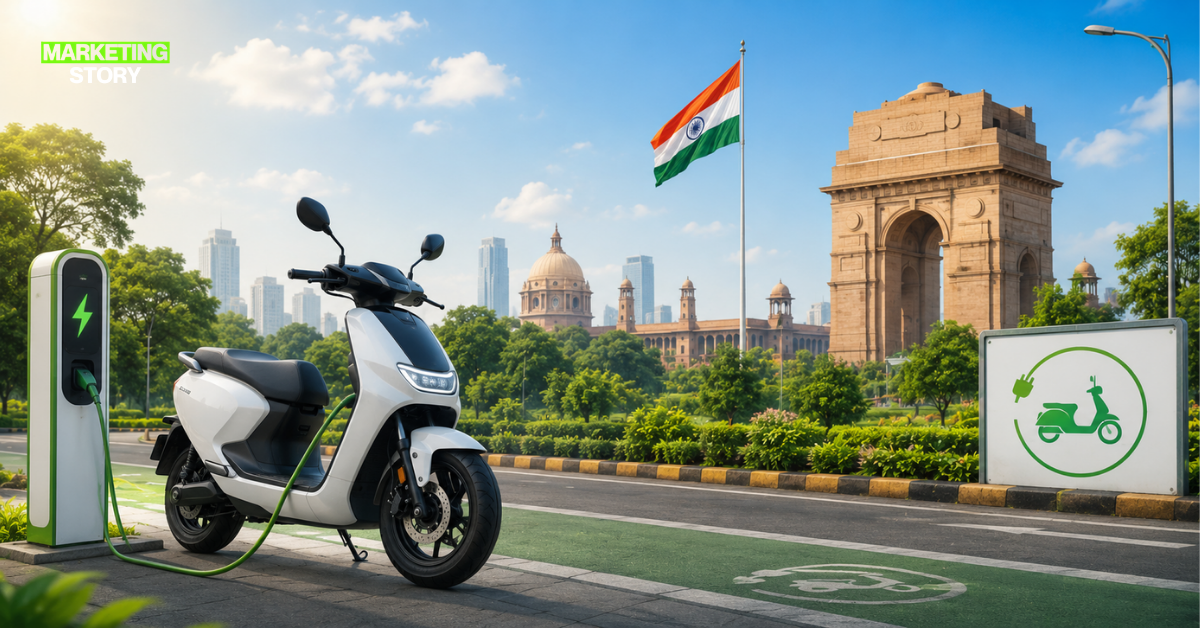
The Delhi government has approved a new Electric Vehicle (EV) Policy aimed at accelerating the adoption of electric two-wheelers through a combination of purchase incentives, mandatory EV registrations, and large scale charging infrastructure. The policy, which will come into effect on July 1, 2026, outlines a long-term roadmap for clean mobility and positions Delhi as one of India’s most ambitious EV markets.
Under the new framework, buyers of electric two-wheelers will receive incentives of ₹30,000 in the first year, ₹20,000 in the second year, and ₹10,000 in the third year. More significantly, from April 1, 2028, only electric two-wheelers will be eligible for fresh registrations in Delhi, while existing petrol and diesel vehicles can continue operating under current regulations.
How Will the Policy Benefit EV Manufacturers?
The policy is expected to create significant growth opportunities for electric vehicle manufacturers, including Ather Energy, Ola Electric, TVS Motor Company, Bajaj Auto, and Ultraviolette Automotive. As one of India’s largest two-wheeler markets, Delhi provides an important testing ground for large-scale EV adoption.
Industry leaders have welcomed the announcement, stating that long-term policy clarity encourages continued investment in product innovation, manufacturing, and charging infrastructure. Stable government support also enables companies to plan future product launches and expand their market presence with greater confidence.
For manufacturers, the combination of consumer incentives and mandatory electrification creates stronger demand visibility over the next several years.
Why Is Charging Infrastructure Central to the Policy?
Recognising that infrastructure is critical to EV adoption, the Delhi government plans to install 32,000 public charging points over the next four years with support from the PM eDrive Scheme and state government initiatives.
A widespread charging network is expected to reduce range anxiety, improve user convenience, and encourage more consumers to switch from conventional vehicles to electric alternatives. Industry experts believe charging infrastructure is as important as vehicle incentives because it directly influences customer confidence and long-term EV usage.
The policy also reflects the government’s strategy of building a complete EV ecosystem rather than focusing solely on vehicle sales.
What Other Incentives Does the Policy Offer?
Beyond electric two-wheelers, the policy extends financial support to several other vehicle categories. Electric three-wheelers will be eligible for subsidies of up to ₹50,000 during the first year, while N1 commercial trucks can receive incentives of ₹1 lakh.
In addition, the government has introduced scrappage incentives for older BS IV vehicles, encouraging owners to replace polluting vehicles with cleaner electric alternatives. According to industry stakeholders, these measures could accelerate fleet electrification while reducing urban emissions and dependence on imported fossil fuels.
The Delhi government has allocated ₹15,000 crore for implementing the policy, which will remain in force until March 31, 2030.
What Could This Mean for India’s EV Industry?
Delhi’s latest EV policy has the potential to become a benchmark for other Indian states looking to accelerate clean mobility. According to government data, commercial goods vehicles contribute around 33% of Delhi’s pollution, while two-wheelers and three-wheelers account for another 46%, making these categories the primary focus of electrification efforts.
If successfully implemented, the policy could significantly increase EV adoption, stimulate domestic manufacturing, expand charging infrastructure, and strengthen India’s transition toward sustainable transportation. It also reinforces the growing role of state governments in driving the country’s electric mobility ambitions through long-term regulatory certainty and targeted financial incentives.
For the broader automotive industry, Delhi’s roadmap signals that electric mobility is steadily moving from incentive-led adoption toward structural transformation.